Workers Comp vs. Employers Liability: What's the Difference?
The Quick Answer
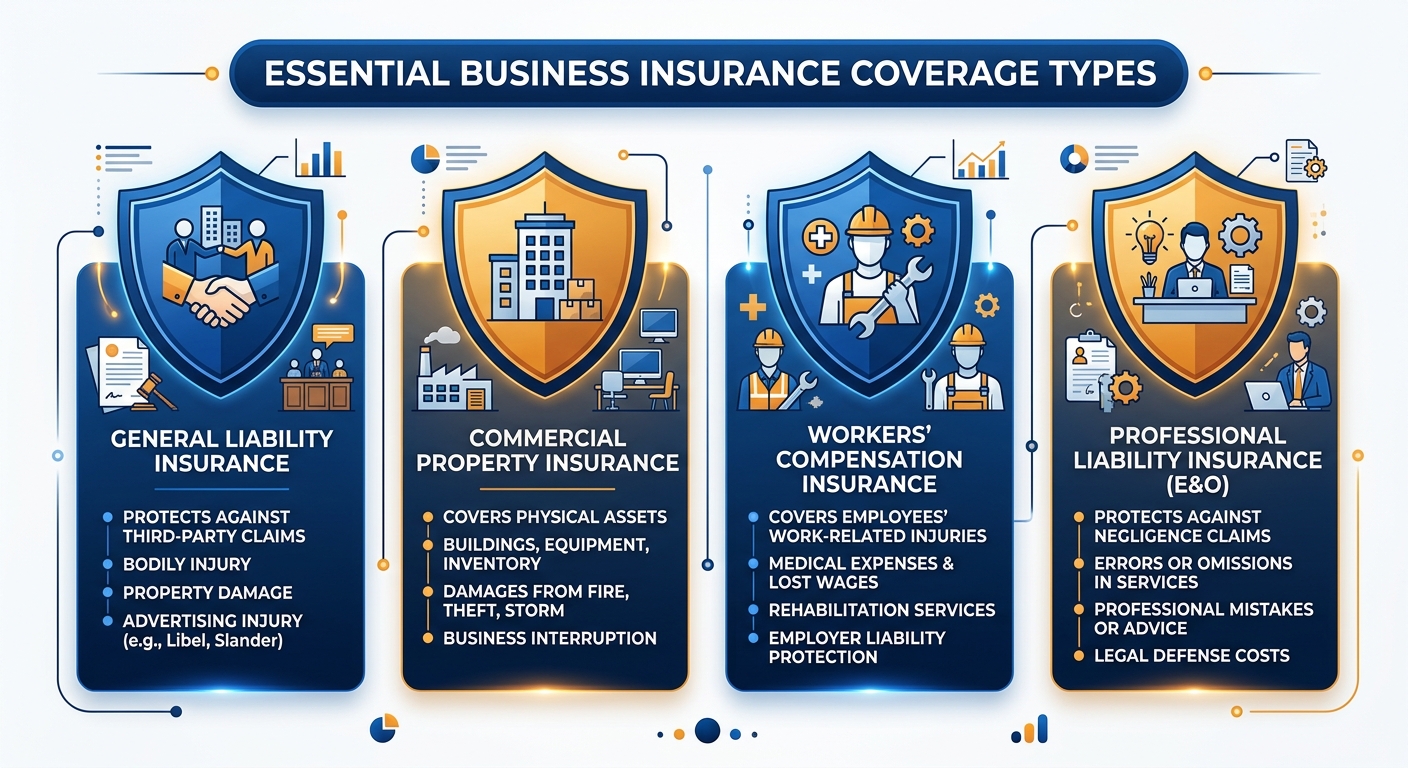
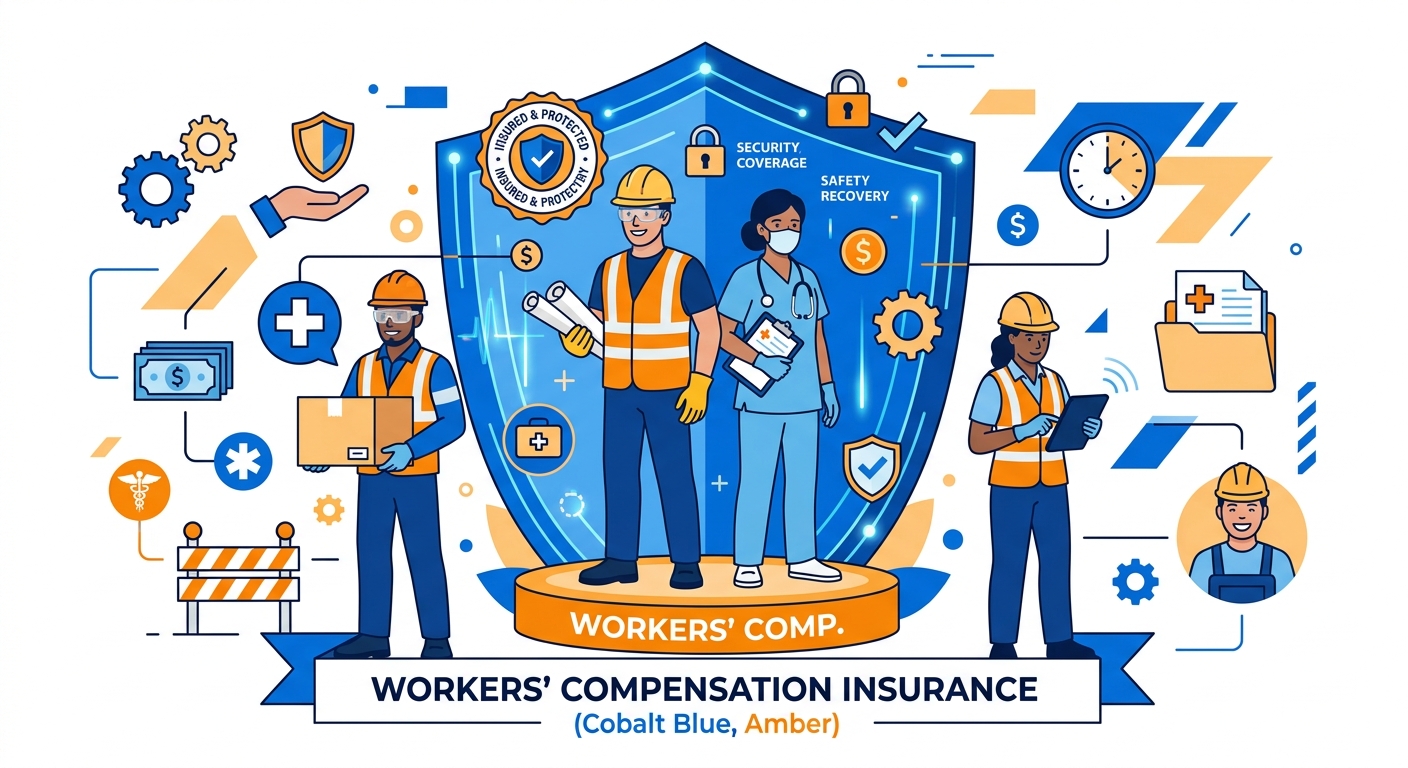
Workers compensation and employers liability are typically two parts of the same policy. Workers comp is Part A — the mandatory, no-fault coverage for employee injuries. Employers liability is Part B — protection from employee lawsuits that fall outside the workers comp system.
Workers Compensation (Part A)
Workers comp is a no-fault system. When an employee is injured on the job, the policy pays:
- •Medical expenses (emergency care, hospitalization, surgery, rehabilitation)
- •Lost wages during recovery (typically 2/3 of salary)
- •Permanent disability benefits if the injury causes lasting impairment
- •Death benefits to the employee's family
No-fault means no argument. The employee doesn't have to prove you were negligent. They don't even have to sue you. They file a claim with the carrier, and benefits are paid.
The trade-off: In exchange for guaranteed benefits, employees give up the right to sue you in civil court for workplace injuries. Workers comp is the "exclusive remedy" in most states.
Required or not? Workers comp is legally required in 48 states if you have employees. Texas and South Dakota allow opt-out (though most businesses shouldn't). Some states include owners/officers automatically; others let them opt out.
Employers Liability (Part B)
Even though workers comp is "exclusive remedy," certain situations allow employees (or their families) to sue outside the workers comp system:
- •Third-party lawsuits (an injured employee sues the equipment manufacturer, who sues you)
- •Consequential injuries (a spouse gets injured caring for a hurt worker and sues)
- •Dual-capacity claims (you're both the employer and product manufacturer)
- •States with limited exclusive-remedy protections
Employers liability covers your legal defense and settlements in these scenarios.
Standard limits: $100K per occurrence / $100K per disease per employee / $500K policy limit. Upgraded limits: $500K/$500K/$500K or $1M/$1M/$1M are available and recommended.
Do You Need Both?
Yes. They're almost always sold as one policy. You can't buy Part A without Part B (and wouldn't want to).
For most small businesses, a standard workers comp policy provides both at a reasonable cost. For larger businesses or those in high-risk industries, we recommend reviewing the Part B limits — the defaults are often too low.
Getting a Workers Comp Quote
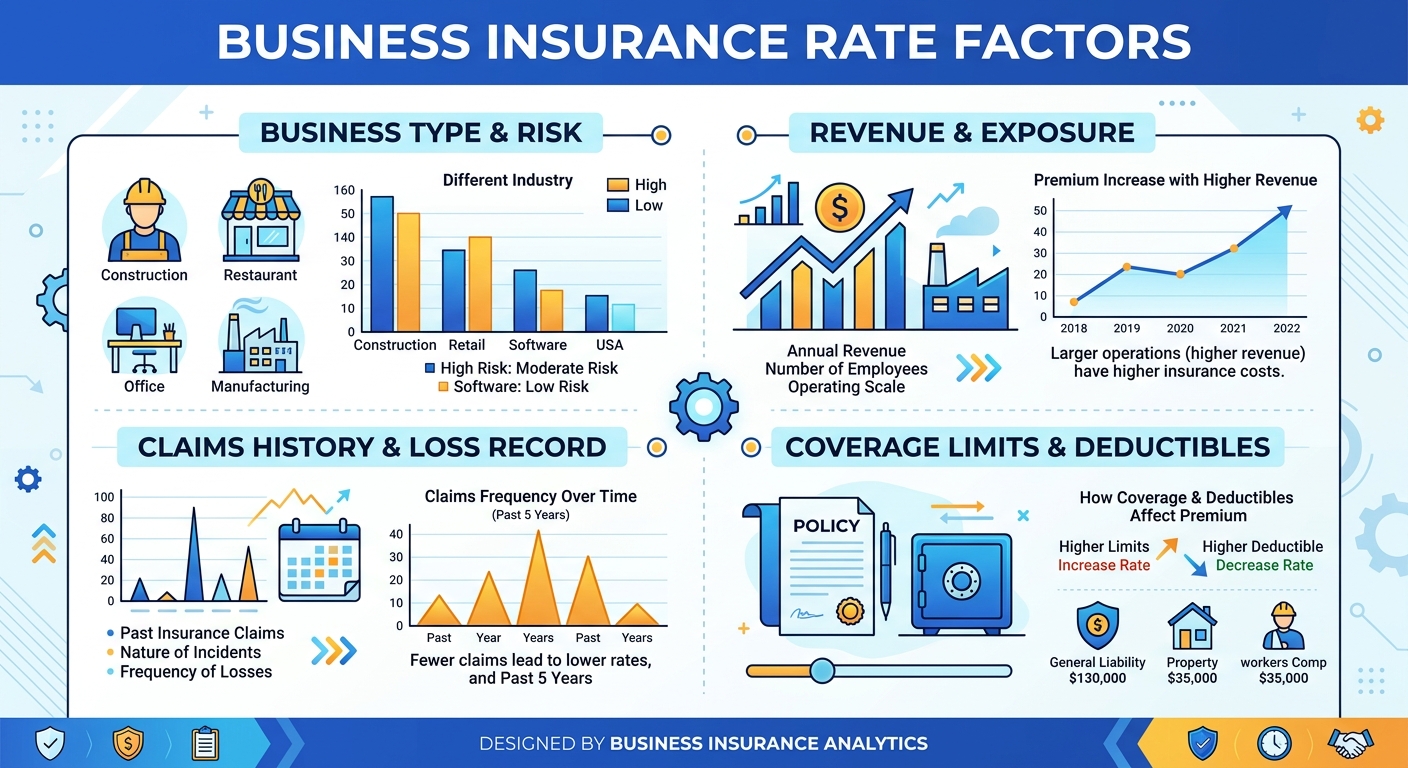
Workers comp is rated on your payroll by job classification. To quote accurately, we'll need:
- •Your industry/type of work
- •Total annual payroll by job type
- •Number of employees and their roles
- •Your claims history (Experience Modification Rate if you have one)
Call CCA at 844-967-5247 or request a quote online. We'll find competitive rates with carriers that know your industry.
Ready to get covered?
Get a free, no-obligation quote in minutes. Licensed in all 50 states.